Investment developmentView development →
Cathedral One, Derby
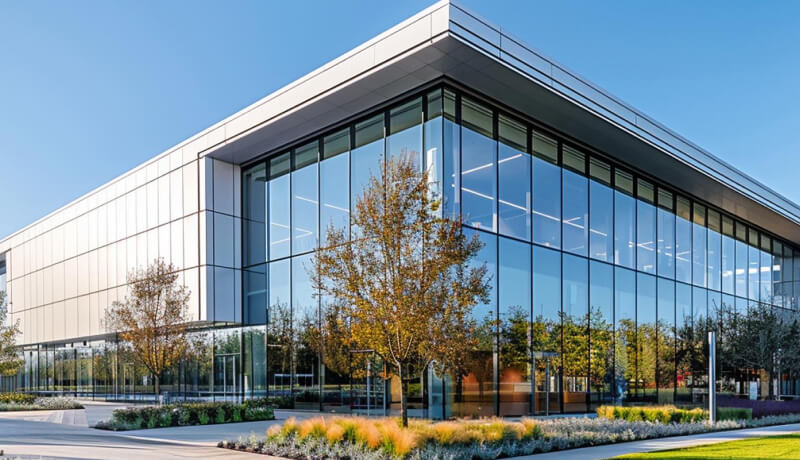
High-spec riverside apartments in central Derby with yields up to 6.5%.
Buy to Let
From£167,000
Yield6.5%


We turn your dream vacations into unforgettable realities. Whether you are seeking a relaxing beach escape, a thrilling adventure
Get every travel news update
[contact-form-7 id="ebffac9" title="sidebar"]
Explore Derby opportunities, a high wage rental market with a city centre undergoing transformation.
Derby is attracting growing attention from property investors, supported by its relative affordability, established rental market and extensive city-centre regeneration. The city’s strong industrial base, major employers and ongoing investment in residential and commercial development contribute to its long-term property market potential.
Derby’s regeneration programme is reshaping the city centre, with major schemes such as Becketwell bringing new homes, leisure facilities and commercial space. The development has received a further boost with the announcement of Great British Railways’ new headquarters, expected to accommodate up to 450 staff and strengthen the city’s employment base. Meanwhile, the Derbion Masterplan includes proposals for more than 1,100 new homes across the Eagle Quarter and Bradshaw Way, highlighting the scale of planned residential development.
The average house price in Derby reached £210,000 in August 2026 (provisional), according to the Office for National Statistics, representing annual growth of 2.7%, outpacing the little change experienced across the East Midlands region. Average private rents also rose to £871 per month in September 2026, an annual increase of 4.7%, also outpacing the regional rise of 3.8%. These figures highlight Derby’s comparatively affordable property prices and recent rental growth, offering potential opportunities for investors seeking rental income and long-term capital appreciation. Actual returns will depend on the property, location and wider market conditions.
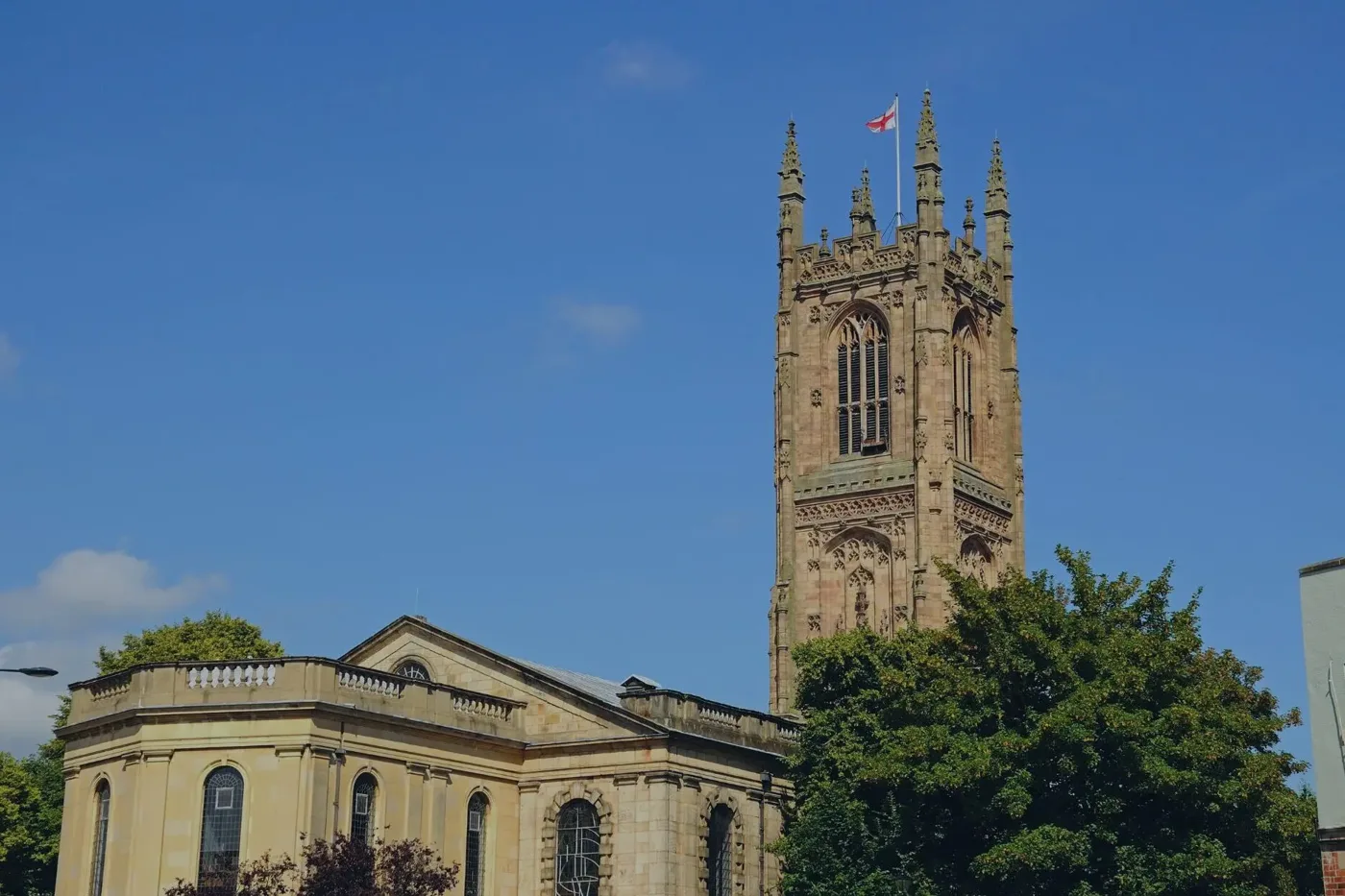
High-spec riverside apartments in central Derby with yields up to 6.5%.
 01
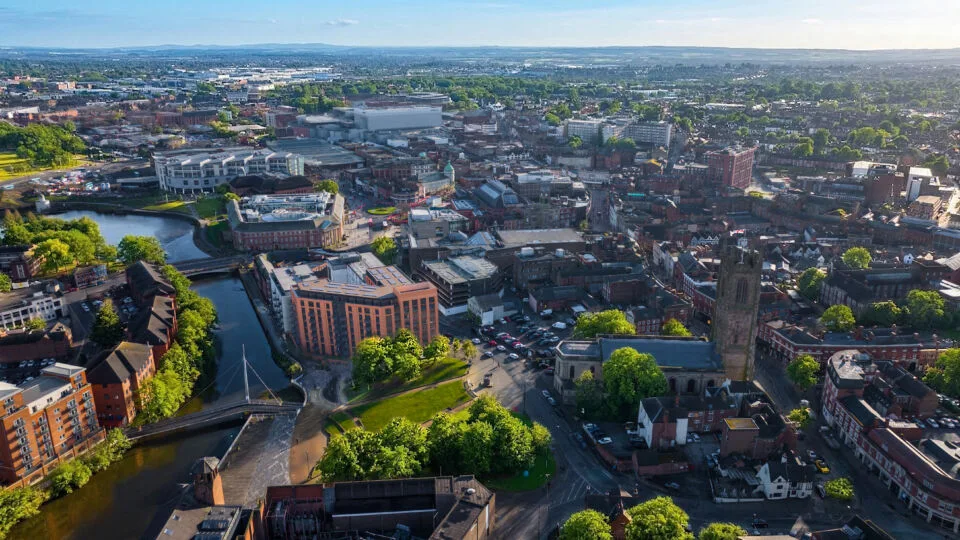
Derby has one of the UK’s most productive economies consistently recording some of the highest productivity levels and average salaries outside of London. Internationally recognised employers, such as Rolls-Royce, Toyota and Alstom, anchor the local workforce, driving high wages and job creation. Derby’s strengths in advanced manufacturing, aerospace, and rail engineering underpin a skilled workforce and contribute to demand for modern city centre accommodation.
The city is home to more than 270,000 residents and forms part of a wider regional economy that continues to attract business investment and skilled professionals. The latest data states that Derby has a high employment rate of 79.8%, which indicates a strong employment base in Derby and may reflect a growing economy.
 02
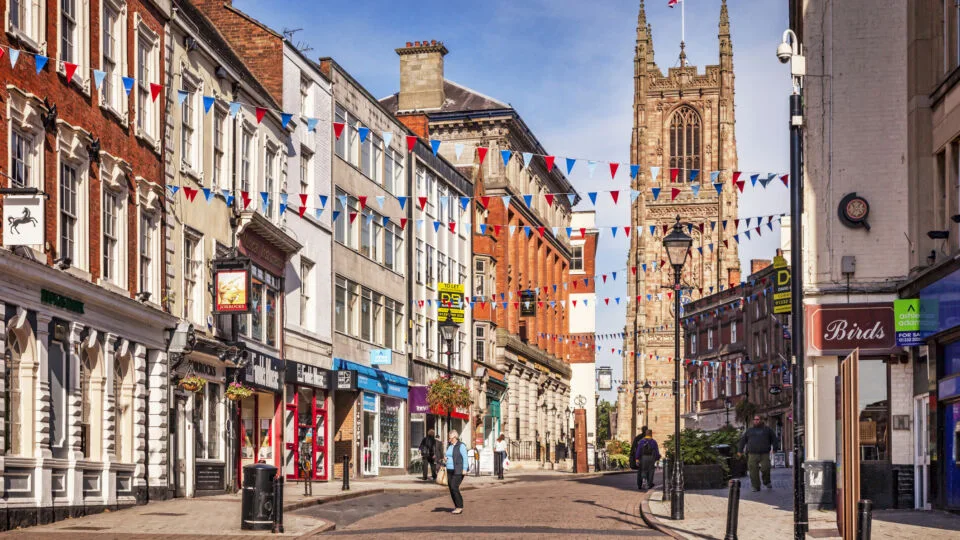
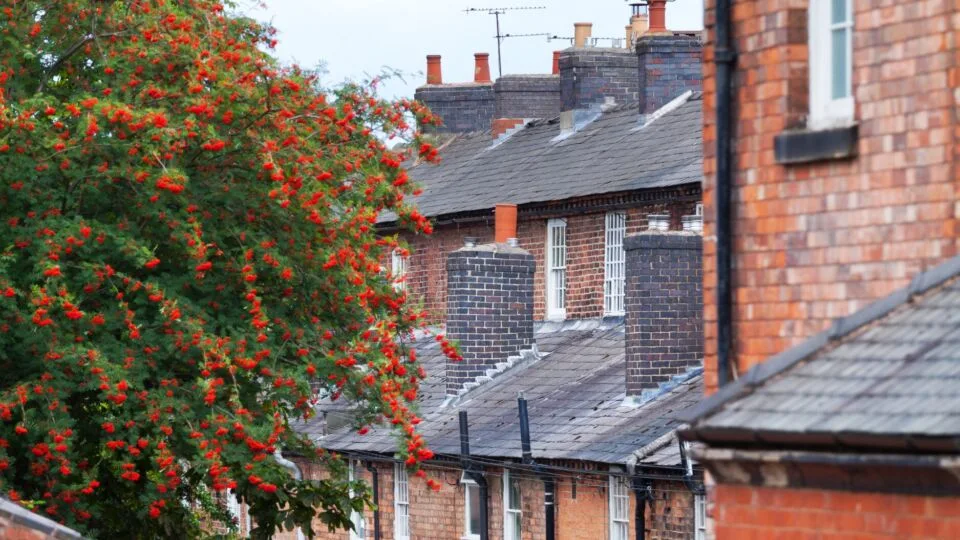
Derby is benefitting from a range of regeneration projects designed to revitalise the city centre, improve public spaces and create long-term growth. The £200 million Becketwell regeneration scheme is transforming a central area of the city through new residential accommodation, leisure facilities, commercial space and public amenities. The project is helping create a more vibrant city centre and broaden Derby’s appeal to residents, businesses and visitors.
Beyond Becketwell, the Derby City Centre Masterplan sets out an ambitious vision for regeneration, encompassing approximately £3.5 billion in planned investment. Key projects include the Derbion masterplan and Eastern Gateway, the restoration of the historic Market Hall and the development of Castleward Urban Village. Together, these initiatives aim to reshape the city centre, with plans to deliver around 1,900 new homes and create 4,000 jobs.
This investment is likely to strengthen Derby’s appeal as a place to live, work and do business. For property investors this means the potential for consistent rental demand and capital appreciation around the regeneration projects.
 03
Housing demand in Derby is supported by population growth, an established employment base, student population and relative affordability compared with nearby cities such as Nottingham, Birmingham and Leicester. The University of Derby attracts students from across the UK and overseas, contributing to demand for rental accommodation.
Demand for commercial property is underpinned by Derby’s diverse business base and its position within the Midlands’ manufacturing and logistics network. Major employers and supply-chain businesses require a range of commercial premises, including offices, industrial units and logistics facilities, supporting activity across the wider property market.
Residential accommodation is becoming more in demand due to city centre regeneration. High wages in Derby create an excellent environment for landlord, with reliable tenants and low churn. City centre demand is only expected to grow further, making Derby an interesting buy-to-let option for property investors.
 04
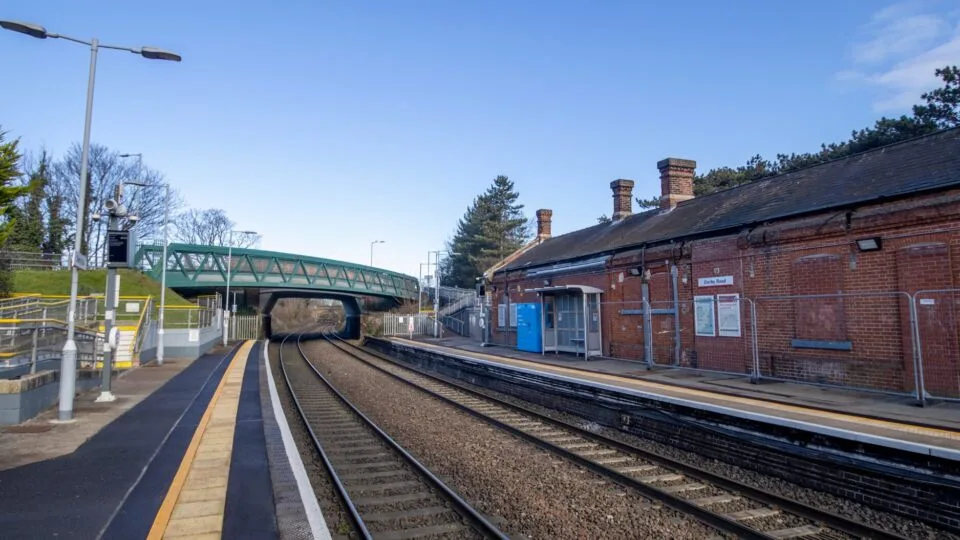
Derby benefits from a strategic position at the heart of the UK’s transport network, with convenient access to the M1 motorway and direct rail connections to major cities. These links support commuting, business travel and access to employment centres across the Midlands and beyond, strengthening Derby’s appeal to residents, employers and investors.
Typical rail journey times from Derby include:
The city is also close to East Midlands Airport, a major UK freight and logistics hub, further strengthening its appeal to businesses operating across national and international markets. For investors, Derby’s strong transport links may support demand for well-located residential and commercial properties, offering access to employment hubs and national markets.
Derby’s property market continues to offer investors a compelling combination of affordability and demand. According to the UK House Price Index, the average house price in Derby was approximately £205,000 in April 2026, remaining below the UK average of £270,000. This lower entry point can appeal to investors seeking opportunities outside higher-priced markets, while still benefiting from strong economic fundamentals.
The city’s rental market also remains robust. Average monthly private rents in Derby were approximately £852 in mid 2026, reflecting continued demand from professionals, families and students. Combined with ongoing regeneration, strong employment opportunities and excellent transport links, Derby continues to offer investors an attractive balance of affordability, rental demand and long-term growth potential.
Many investors are attracted to Derby because of its relatively affordable property prices, strong local economy, and consistent demand for rental accommodation. These factors can contribute to attractive rental yields for buy-to-let property investments and the potential for capital growth over time.
However, it is important to understand that investment returns can never be guaranteed. Property markets are influenced by a wide range of factors, including:
Investors should carefully assess objectives, timescales and risk tolerance before making any investment decisions.
Selecting the right investment partner can make a significant difference to your overall experience and investment outcomes. A reputable company should provide transparent information, carry out thorough due diligence, and offer support throughout the purchasing process.
When comparing providers, consider:
A trusted partner such as E.R.E Property can help investors identify suitable opportunities, while providing guidance throughout the investment journey.
The purchase price is only one part of the overall investment cost. Investors should budget for all associated expenses when assessing affordability and potential returns.
Additional costs may include:
Leasehold properties may also incur ongoing costs, such as service charges and ground rent. Factoring these expenses into your calculations can help provide a more accurate view of potential returns.
If you’re a non-UK resident wanting to invest in the Derby property market, you will usually also need to pay an additional SDLT surcharge.
Read our guide to investing in UK property as a non-resident to find out more.
Derby can be an attractive option for first-time investors due to its affordability relative to many larger UK cities. Lower entry prices can make it easier to build a portfolio, while still accessing a market supported by strong employment, regeneration and transport links.
As with any investment, carrying out thorough research and seeking professional advice is essential. Working with experienced property professionals can help first-time investors understand the opportunities and risks before committing to a purchase.
We will include your searches and viewed properties, so you do not need to repeat your requirements.