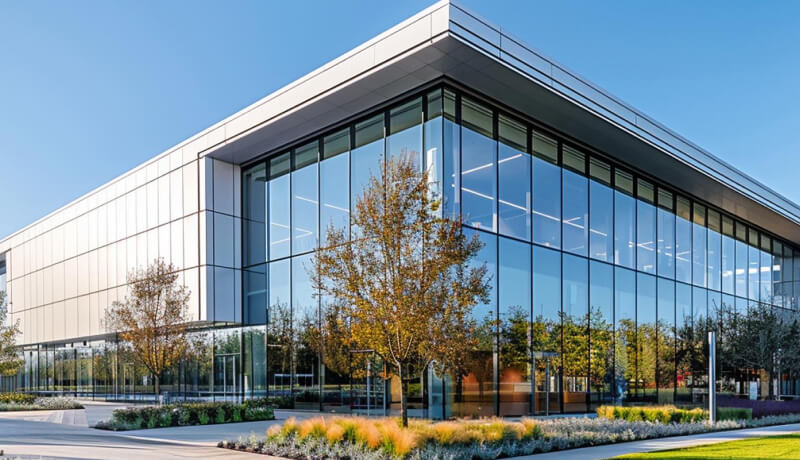
Investment developmentView development →
Aire Gardens, Leeds
High-spec apartments in Leeds’ South Bank regeneration area.
Buy to Let
From£197,000
Yield6.0%


We turn your dream vacations into unforgettable realities. Whether you are seeking a relaxing beach escape, a thrilling adventure
Get every travel news update
[contact-form-7 id="ebffac9" title="sidebar"]
Explore Leeds, its property market and current investment opportunities.
Leeds has established itself as one of the UK’s leading property investment destinations. As a major commercial hub in the North of England, the city attracts businesses, skilled professionals and graduates, supported by a diverse economy and a population of over 800,000. Its four universities and vibrant cultural scene further contribute to demand for modern city-centre accommodation.
More than £10 billion in regeneration activity highlights the scale of investment in Leeds, with the ambitious South Bank project aiming to double the size of the city centre. Combined with a strong employment base across financial and professional services, healthcare, technology and manufacturing, these developments are helping shape the city’s long-term economic prospects. EY forecasts that Leeds’ economy will grow faster than the UK average between 2025 and 2028.
With its established rental market, ongoing regeneration and continued demand for city-centre living, Leeds offers property investors opportunities to generate rental income and benefit from potential long-term capital appreciation.

High-spec apartments in Leeds’ South Bank regeneration area.
Projected short-let yields up to 16% in central Leeds.
 01
Leeds is one of the UK’s leading regional economies, supported by a diverse business landscape spanning financial and professional services, healthcare, digital technology, manufacturing and education. As a major commercial hub for the North of England, the city attracts international companies, expanding businesses and skilled professionals. Major employers include First Direct, Centrica, BT and KPMG, while its universities and growing technology sectors continue to attract graduates and young professionals.
This economic diversity supports job creation and rental demand, creating opportunities for residential property investors. EY forecasts that Leeds’ economy will grow faster than the UK average between 2025 and 2028, while government projections anticipate substantial growth over the next decade. Combined with continued investment and an established employment base, these factors strengthen Leeds’ appeal to investors seeking rental income and potential long-term capital appreciation.
 02
Leeds is undergoing significant urban regeneration, with billions of pounds invested in projects transforming its skyline, expanding residential neighbourhoods and creating new commercial and leisure destinations. More than £3.9 billion was invested in major developments over the previous decade, with a further £7.3 billion in the development pipeline, according to the Leeds Economic Review 2025.
At the heart of this transformation is South Bank Leeds, one of the city’s largest regeneration areas, with ambitions to expand the city centre through new homes, offices, green spaces and leisure facilities.
Alongside new residential schemes, the redevelopment of historic buildings, improved public spaces and investment in cultural and educational facilities are helping create more vibrant, connected neighbourhoods. Leeds’ substantial student population, supported by its universities and growing employment base, adds to demand for city-centre living. Together, these developments strengthen the city’s long-term appeal to residents, businesses and property investors.
At the heart of this transformation is South Bank Leeds, one of the city’s largest regeneration areas, with ambitions to expand the city centre through new homes, offices, green spaces and leisure facilities. The wider regeneration vision also identifies neighbourhoods including Holbeck, Eastside and Hunslet Riverside for further development, with plans to unlock up to 20,000 new homes across key city-centre areas.
 03
Leeds benefits from sustained demand for quality housing, driven by its growing population, thriving economy and substantial student community. Many graduates choose to remain in the city, supporting demand from young professionals and working households.
The city-centre rental market is particularly attractive, with demand for modern apartments offering convenient access to major employers, transport links, shopping and leisure facilities. Continued regeneration and investment in city-centre living are further enhancing Leeds’ appeal to professionals seeking well-connected, contemporary accommodation.
Together, Leeds’ growing professional population and established rental market create opportunities for investors seeking rental income and potential long-term capital appreciation.
 04
Leeds benefits from a strategic location and extensive transport connections, making it an attractive place to live, work and do business. Leeds railway station is one of the busiest outside London, providing direct services to major UK cities, while Leeds Bradford Airport connects travellers to destinations across Europe and beyond.
Regional connectivity is a key advantage, with Manchester reachable in around 50 minutes by train and Liverpool in just over an hour. Direct rail services to London also provide convenient access to the capital, with some journeys taking just over two hours.
Within the city, an established network of buses and local rail services connects residential neighbourhoods with the city centre, major employment hubs, shopping districts and leisure destinations, supporting convenient everyday travel for residents and commuters.
Leeds stands out as one of the UK’s leading Northern property investment destinations, supported by a growing city-economy, ambitious regeneration and sustained rental demand. Established businesses in spanning multiple sectors and major universities continue to attract students, graduates and young professionals.
The city is benefiting from significant regeneration, particularly across South Bank Leeds, where major developments are helping expand the city centre through new homes, commercial space and improved public areas. According to Deloitte’s 2026 Leeds Crane Survey, 2,064 new homes began construction in 2025, while a record 5,970 homes were under construction across the survey area.
According to the Office for National Statistics, Leeds’ average property price was approximately £246,000 (provisional as of August 2026), 10% below the UK average. Average private rents reached £1,148 per month in September 2026, increasing by 4.5% year-on-year. House prices also rose by 2.4% over the year, outpacing the wider Yorkshire region.
Looking ahead, Savills’ have forecasted Yorkshire and the Humber as a region to experience the 2nd highest house price growth into 2028. With a diverse economy, substantial regeneration and continued demand for modern city-centre homes, Leeds offers an attractive combination of rental potential and prospects for long-term capital growth.
Leeds offers attractive opportunities for property investors, supported by a diverse economy, ongoing regeneration and established demand for rental accommodation. As one of the North of England’s leading commercial centres, the city attracts businesses, graduates and young professionals, helping sustain demand for modern housing. Its relatively accessible property prices and continued investment in city-centre development may offer potential for rental income and long-term capital growth. However, returns depend on the property, location and wider market conditions.
Leeds offers a range of property investment opportunities, particularly in and around the city centre. South Bank is a major regeneration area, with plans for new homes, offices, public spaces and leisure facilities that aim to expand the city centre. Leeds city centre attracts professionals seeking convenient access to employment, shopping, restaurants and transport links, making it an area to consider for residential buy-to-let investments. Holbeck is also benefiting from regeneration and its proximity to the commercial core, while Kirkstall offers access to local amenities, transport connections and employment centres. The most suitable area will depend on your investment budget, target tenants and objectives.
Alongside the initial purchase price, investors should budget for additional costs associated with buying and managing a property, including: Stamp Duty Land Tax (SDLT): The amount payable depends on the property price and the buyer’s circumstances. Higher rates may apply when purchasing an additional residential property, and non-UK residents may face an additional surcharge. Check the latest government SDLT guidance. Solicitor’s and conveyancing fees: Legal costs associated with the purchase, property searches and completion. Mortgage and finance costs: These may include arrangement fees, valuation fees and interest payments if the property is financed. Survey and valuation fees: Costs for assessing the property’s condition and value, where applicable. Ongoing management and maintenance: Landlord insurance, repairs, letting agent fees, service charges and ground rent, where applicable. Other costs: Leasehold administration fees, furnishing, compliance checks and periods without rental income may also affect overall returns. The total costs will vary depending on the property, its tenure, financing arrangements and whether it is purchased as an additional property.
Leeds benefits from a diverse tenant base, including young professionals, graduates, students and established households. Its major employment sectors, universities, cultural attractions and transport connections help support demand for rental accommodation. City-centre apartments can appeal particularly to professionals seeking modern homes close to workplaces, restaurants, shopping and leisure facilities. However, demand and achievable rents vary by neighbourhood, property type and quality.
Regeneration is an important factor in Leeds’ long-term development, with projects across South Bank and other city-centre neighbourhoods bringing forward new homes, commercial spaces and improved public areas. These investments may enhance the appeal of surrounding locations and support future housing demand. However, regeneration does not guarantee property price growth or rental increases, so investors should assess each development’s timeline, location and potential impact on the local market.
We will include your searches and viewed properties, so you do not need to repeat your requirements.