

Investment developmentView development →
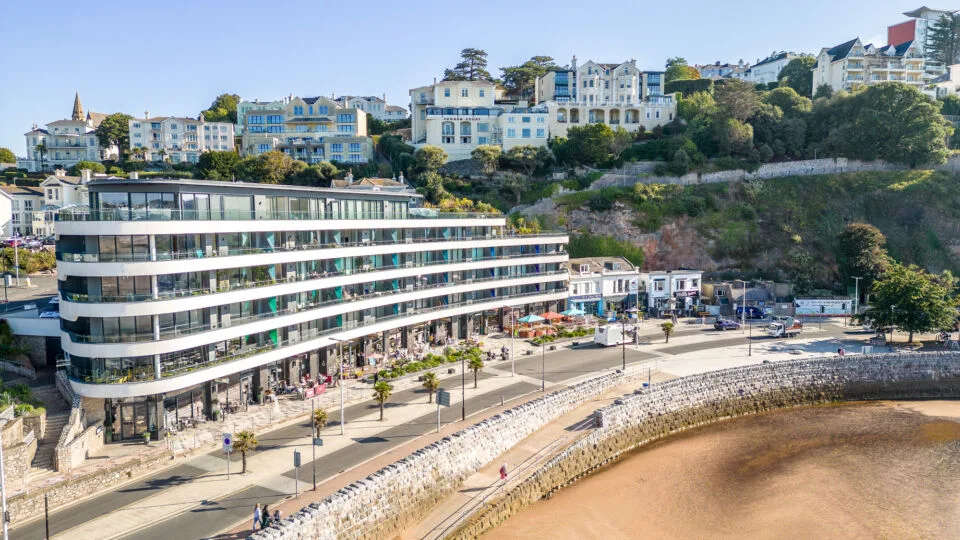
The Maycliffe, Torquay
Completed, fully managed coastal investments from £69,950.
Holiday Let
From£69,950
Yield14.9%


We turn your dream vacations into unforgettable realities. Whether you are seeking a relaxing beach escape, a thrilling adventure
Get every travel news update
[contact-form-7 id="ebffac9" title="sidebar"]
Explore Torquay, a tourist hotspot with a strong short-term let market.
Torquay is a coastal town and harbour resort on the English Riviera in Devon. Torquay offers a distinctive property investment market, combining coastal lifestyle appeal with a tourism-led economy and growing high-tech sector. With its picturesque harbour, established visitor economy and strong regional connections, the town attracts holidaymakers, relocators and residents seeking coastal living. Tourism supports demand for short-term accommodation, while local employment and lifestyle appeal contribute to the longer-term rental market.
The town’s property market is being shaped by more than £100 million in planned regeneration, with investment focused on revitalising the harbour, high street and key town-centre sites. These improvements aim to enhance local amenities, encourage year-round visitor activity and strengthen Torquay’s appeal as both a place to live and a destination to visit.
For first-time investors and experienced portfolio owners, Torquay offers a strong opportunity in the coastal property market. E.R.E Property’s short-term let opportunities provide a route into the holiday accommodation sector, with projected rental yields up to 14.9%.

Completed, fully managed coastal investments from £69,950.
 01
Torquay is an economic hub on the English Riviera and is currently experiencing high levels of growth. Tourism is the main economic driver of the coastal town, generating thousands of jobs and millions of visitors every year. Alongside tourism, Torquay also boasts a thriving high-tech sector with globally recognised expertise in photonics and advanced microelectronics.
The Torbay Destination Management Plan 2022–2030 sets out ambitions to grow visitor spending and create jobs, helping strengthen the area’s visitor economy. The town is targeting a £75m increase in annual visitor spend and the creation of 1,500 new full-time jobs by 2027.
 02
Torquay is undergoing a major £100m+ urban regeneration programme driven by Torbay Council. The investment plan focuses on revitalising the harbour, highstreets and key town-centre sites. Delivered through public-private partnerships, the programme aims to enhance the town’s appeal, improve public spaces and encourage further investment.
Targeted improvements to the waterfront, high street, and new luxury hotel and residential developments are intended to attract tourists, encourage year-round activity and strengthen the local economy.
For investors, regeneration in Torquay can create opportunities for capital appreciation and increased rental yields.
 03
Torquay’s coastal lifestyle and relative affordability when compared with London, the Home Counties and other parts of the South West attract a range of buyers and renters. The town increasingly appeals to remote workers, relocators, first-time buyers and investors seeking better value for money.
Local plans targeting around 8,900 new homes across Torbay through to 2030 aim to accommodate future growth and address local housing needs. The delivery of new homes combined with strong demand for short-term lets display the strong rental market in Torquay.
 04
Torquay offers strong regional and national transport links, with railway services link the town directly with Exter and Bristol, while journeys to London Paddington typically take under 3 hours.
Road connections are also strong, the A380 provides a direct route towards the M5, linking Torquay with the wider motorway network. Exeter Airport is also within driving distance, providing domestic and international flight connections.
These links connect Torquay with key economic centres, supporting business activity and making the town an appealing location for residents, commuters and property investors.
Torquay’s property market is defined by low prices, relative affordability and strong tourist demand, creating an opportunity for investors in short-term holiday accommodation. As part of the wider Torbay area, Torquay attracts approximately 4.5m visitors to its coastline beaches and leisure attractions every year.
According to the Office for National Statistics, the average house price in Torbay reached £221,000 in August 2026 (provisional), approximately 19% below the UK average of £273,000. This lower entry price may offer investors a more accessible route into the South West property market. With units at The Maycliffe starting from £69,950, the opportunity provides a lower-cost entry point for investors considering the local holiday-let market.
Data from AirROI shows that the average active Airbnb listing in Torquay generated approximately £15,383 in gross annual revenue over the 12 months to September 2026, with top-performing properties earning around £19,800. This represents how lucrative the short-term let market in Torquay can be, with strong demand driving high rental yields.
Regeneration plans are focused on improving Torquay town centre and waterfront. Projects include proposals for The Strand, with a planned mixed-use development and hotel, and the redevelopment of Union Square. These initiatives aim to improve the town centre and attract further activity and investment, although project delivery and future property performance are not guaranteed.
Torquay attracts both permanent residents and visitors, creating different potential rental markets. The ONS recorded average private rent across Torbay of £924 per month in September 2026, an annual increase of 3.7%. According to AirROI the average Torquay Airbnb brought in £15,383 annually in 2026. Demand and achievable rents vary by property type, location and season, so investors should compare local rental evidence before purchasing.
In addition to the purchase price, budget for Stamp Duty Land Tax (SDLT), conveyancing, surveys, mortgage costs, refurbishment and furnishing. Ongoing expenses may include maintenance, insurance, service charges, letting fees and periods without tenants. Holiday lets can involve additional cleaning, management and compliance costs.
Apartments may appeal to professionals and smaller households, while houses can suit families and longer-term tenants. Properties near the seafront may also attract holidaymakers, but seasonal demand, operating costs and relevant regulations should be assessed carefully. Consider rental potential, maintenance requirements, resale demand and any restrictions on holiday letting before investing.
Define your investment goals and decide whether a long-term rental or holiday-let strategy best suits your circumstances. Research local property prices, achievable rents, seasonal demand and competing properties. Calculate expected expenses and allow for void periods, repairs and changes in market conditions. Independent legal, tax and financial advice can help you assess the risks and suitability of a property.
We will include your searches and viewed properties, so you do not need to repeat your requirements.