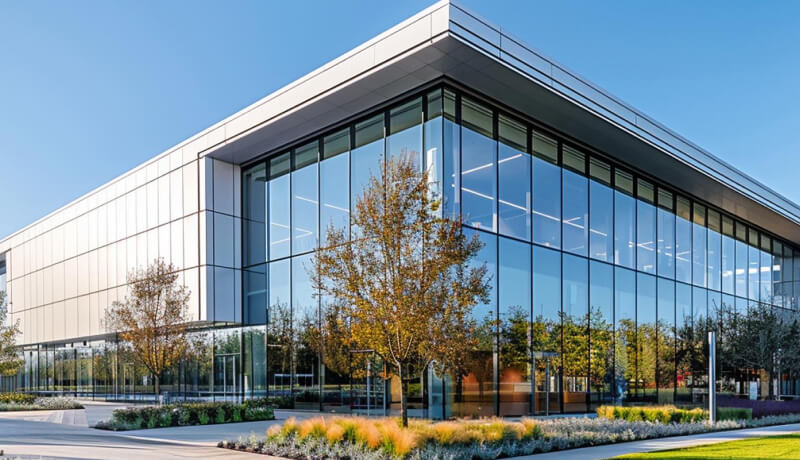
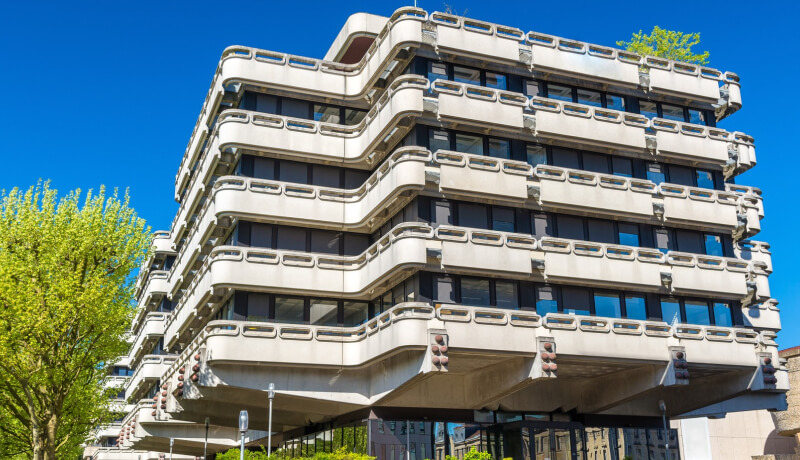
Investment developmentView development →
Interchange Residences, Sheffield
Short-let approved apartments with 999-year leases and excellent connectivity.
Off-Plan Investment
From£127,000
Yield16.0%


We turn your dream vacations into unforgettable realities. Whether you are seeking a relaxing beach escape, a thrilling adventure
Get every travel news update
[contact-form-7 id="ebffac9" title="sidebar"]
Explore Sheffield, its property market and current investment opportunities.
Sheffield is known as the Steel City for its major role in Britain’s industrial past. Today the city has reinvented itself as a modern city, marked by innovation and opportunity. With a population of approximately 762,000 across the wider urban area, the city benefits from an established employment base, two major universities and demand for well-located residential accommodation.
Urban regeneration has engulfed the city centre and wider residential neighbourhoods, contributing to Sheffield’s transformation. Projects such as Heart of the City II, West Bar and the Don Valley Corridor are contributing to over £1bn of investment into the city, supporting employment creation, new homes, improved public spaces and commercial development.
Compared with many larger UK cities, Sheffield’s relatively affordable property prices may offer opportunities for first-time investors and those looking to expand an existing portfolio. Combined with regeneration, a substantial student population and a diverse local economy, the city offers potential for rental income and long-term capital appreciation.

Short-let approved apartments with 999-year leases and excellent connectivity.
Short-let approved apartments five minutes from the university.
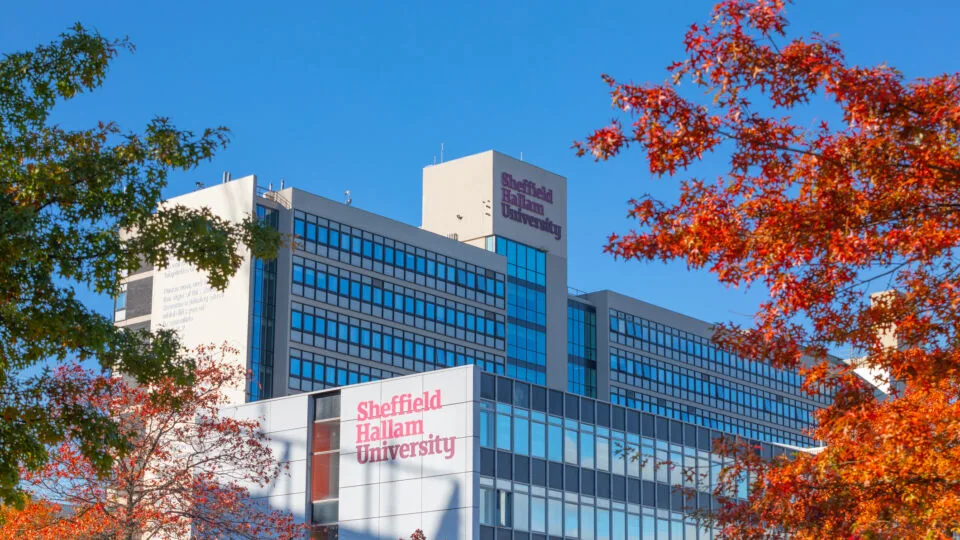 01
Innovation-led economy
Sheffield’s economy has evolved from its historic foundations in steelmaking and manufacturing into a diverse economy spanning healthcare, digital technology and professional services. The city has retained its reputation for manufacturing excellence while developing into a centre for research and industrial innovation. The AMRC Hub serves as a global blueprint for industry-university collaboration, with blue chip titans, such as Boeing, Rolls-Royce, and Mclaren, working alongside specialist engineering firms.
Public services and higher education also play a significant role in Sheffield’s employment landscape, accounting for over a fifth of local jobs. Major employers include the NHS, the University of Sheffield, Sheffield Hallam University and public sector organisations, helping support a skilled workforce and a steady presence of students and professionals in the city.
Sheffield’s economy is valued at £19.1bn, and the City Council’s structured growth plan to 2035 aims to unlock 6,500 new businesses and contribute an estimated £2.2bn more per year to the UK economy. Combined with major regeneration projects and continued investment in innovation, these plans could strengthen Sheffield’s economic prospects and support demand for housing.
 02
City centre and residential transformation
Urban regeneration is reshaping Sheffield’s city centre and surrounding neighbourhoods, making it more appealing to businesses, residents and investors alike. The latest project is Heart of the City II, a £470m investment aiming to revitalise the city centre with 250,000 sqft of retail and leisure space, 500,000 sqft of workspace, 30,000 sqft of cultural space, and 420 new homes.
Residential developments are also supporting the City of Steel’s regeneration. In 2024, Homes England agreed a £67m funding package for two neighbourhoods at Furnace Hill and Neepsend, supporting plans for 1,300 new homes and 43,000 sqft of commercial space. The Don Valley Corridor is another key focus of regeneration, with investment aimed at transforming former industrial areas, improving connectivity and creating new residential and commercial opportunities.
Sheffield’s advanced manufacturing sector also presents opportunities for economic growth. The Advanced Manufacturing Innovation District (AMID), around the Advanced Manufacturing Park and Sheffield Business Park, supports collaboration between industry, research and innovation, with the potential to attract businesses and create skilled jobs.
Together, these regeneration initiatives could strengthen Sheffield’s economic prospects, improve local amenities and support demand for housing in well-connected areas.
 03
High demand with supply shortages
Sheffield’s housing demand is supported by population growth, a diverse employment base and a substantial student community. The city’s two major universities attract more than 60,000 students combined, creating ongoing demand for student accommodation, shared housing and rental properties. Graduates and young professionals also contribute demand, with Sheffield having a 40% graduate retention rate and an average graduate income of £33,174, which attracts young professionals.
Long-term housing needs are another important factor. Sheffield City Council has identified the need for additional housing to accommodate future demand, highlighting the high demand for housing in Sheffield.
 04
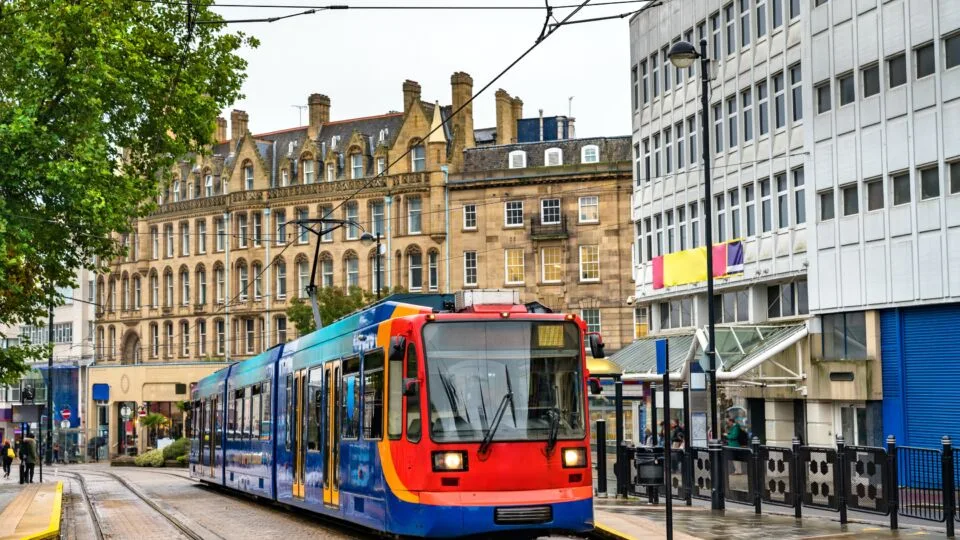
World class connectivity
Sheffield’s transport system has seen significant investment, boosting its connectivity with major UK cities. Railway services connect to London, Manchester, Leeds among others, with direct services to London typically taking around 2 hours.
The city also benefits from its proximity to the M1 motorway, offering road connections north towards Leeds and south towards the East Midlands and London. These links support commuting, business travel and access to employment opportunities across the wider region.
Inner city connections are extensive with bus services and the Sheffield super tram, which connects Sheffield neighbourhoods to the city centre and other nearby towns, such as Rotheram.
Yorkshire and the Humber is forecast by Savills to experience house price growth of 28.8% over the five years to 2030, compared with a UK average of 22.2%, highlighting the region’s potential for long-term capital appreciation. These forecasts provide a positive outlook for Sheffield, supported by ongoing regeneration, economic development and demand for housing.
The average house price in Sheffield reached £218,000 in August 2026 (provisional), according to the Office for National Statistics, around 20% below the UK average of £273,000. This relative affordability may offer investors opportunities to purchase property at a lower price than in many other parts of the country. Meanwhile, average private rents rose to £936 per month in September 2026, an annual increase of 4.1%, indicating continued growth in the local rental market.
The projected gross rental yield across E.R.E Property’s Sheffield investment opportunities averages 14.5%, offering the potential for strong rental returns. These figures relate to the specific properties available rather than the wider Sheffield market, and actual yields will depend on the property, purchase price, rental performance and associated costs.
Sheffield offers property investors a range of opportunities, supported by its established economy, city-centre regeneration and private rental market. According to the Office for National Statistics (ONS), the average house price in Sheffield was £218,000 in August 2026, while average monthly private rent reached £936 in September 2026, up 4.1% year-on-year. As with any investment, returns depend on the property, purchase price, rental demand and ongoing costs.
Sheffield has several areas worth exploring, depending on your investment strategy. Sheffield city centre may appeal to investors targeting professionals seeking convenient access to workplaces, transport, shops and leisure facilities. West Bar is an area to watch for mixed-use development, while Kelham Island and Neepsend offer established urban neighbourhoods with a mix of residential, commercial and leisure uses. Research individual developments, local rental comparables and future supply before making a decision.
Beyond the purchase price, investors should budget for Stamp Duty Land Tax (SDLT), conveyancing, surveys, mortgage and finance costs, and any refurbishment or furnishing required. Ongoing expenses can include maintenance, insurance, service charges, letting or management fees, periods without tenants and compliance costs. The amount of SDLT payable depends on the purchase price and your circumstances, including whether higher rates for additional properties apply.
Sheffield’s rental market includes demand from professionals, households and people seeking well-connected city-centre accommodation. The ONS reported average private rent of £936 per month in September 2026, an annual increase of 4.1%. However, rental performance varies by location, property type, specification and price. Investors should assess comparable properties and realistic achievable rents rather than relying on city-wide averages alone.
Sheffield’s regeneration includes Heart of the City, West Bar and Castlegate, alongside the Don Valley Corridor, a major initiative linking Sheffield and Rotherham to support new homes, jobs and investment. These projects could strengthen the long-term appeal of surrounding areas, although regeneration does not guarantee property growth or rental returns.
We will include your searches and viewed properties, so you do not need to repeat your requirements.